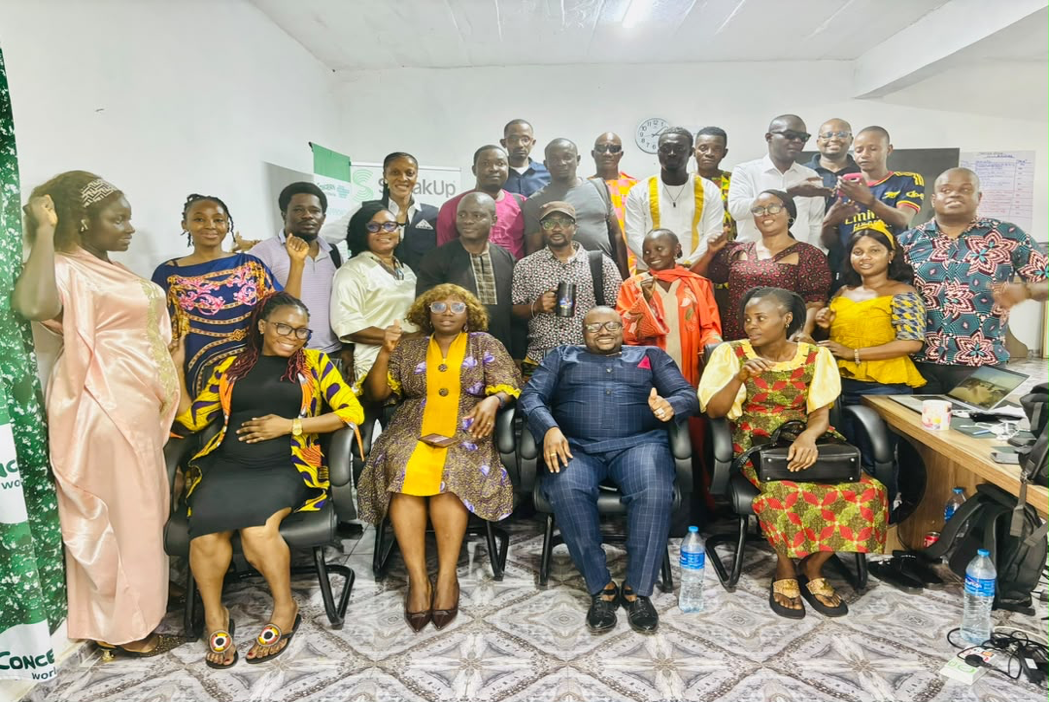
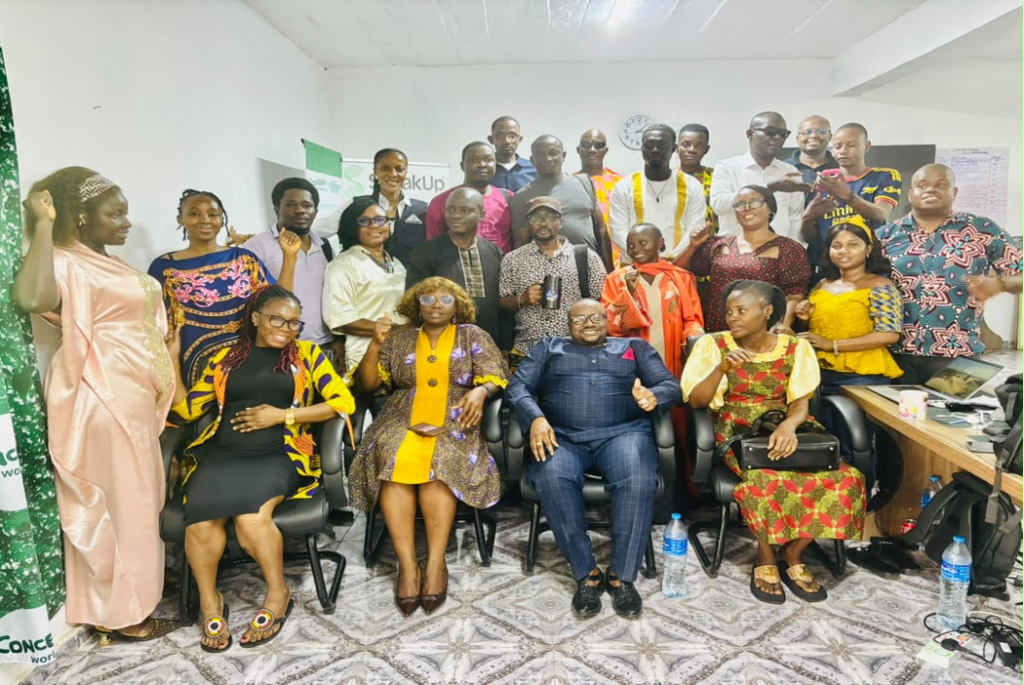
Convened by Concern Worldwide, WASHNet and Yoti Yoti Project Staff Build Capacity in Gender Transformative Programming.
Water systems are built with pipes, pumps and concrete. But whether they truly serve everyone depends on something harder to measure: who gets heard, who gets to decide, and who remains at the edge of the conversation.
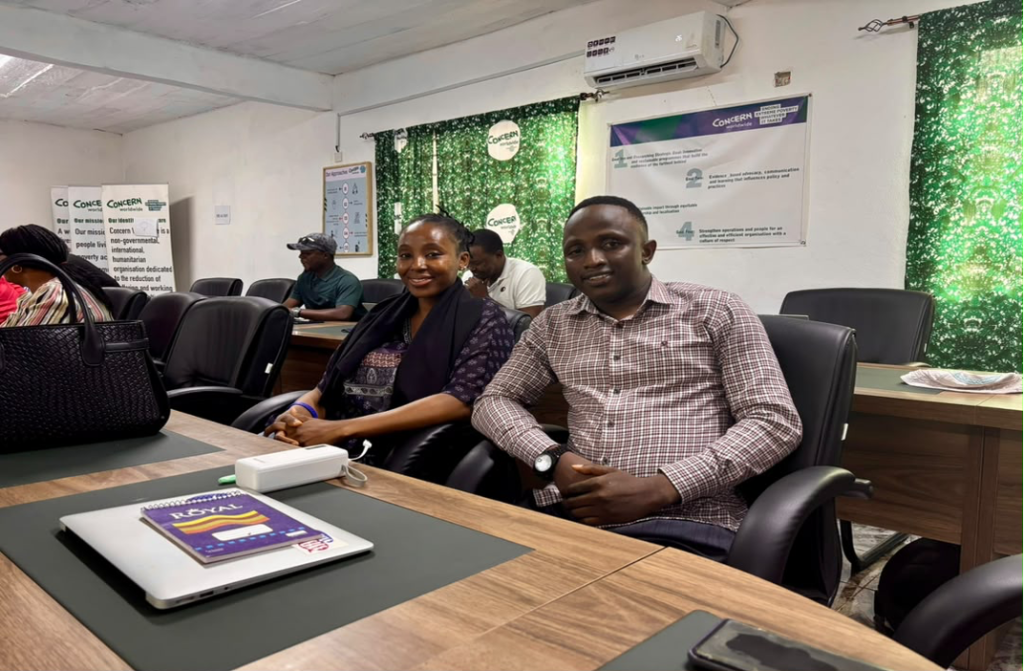
From 21 to 25 September 2026, we joined fellow partners at the Concern Worldwide office in Port Loko District for a week-long Sonke Gender Transformative Training convened by Concern Worldwide. Coming from different areas of WASHNet’s work, one focused on gender and the other on field implementation, we left with a shared conviction: gender equality is not an add-on to good WASH programming. It is central to whether WASH services are fair, safe, inclusive and sustainable.
A room built for honesty
This was not a training built around lectures and slides. From the beginning, the sessions were highly participatory, combining group discussions, practical exercises, personal reflection, open dialogue and experience sharing.
That approach mattered.
It created space for participants to ask difficult questions, challenge assumptions, reflect on everyday practice and learn from one another. It also reminded us that meaningful gender transformation begins with honest conversations, including conversations that may sometimes feel uncomfortable.
Looking at norms and power, including our own
At the heart of the training was a simple but demanding question: how do gender norms and power relations shape the way people live, participate and make decisions?
We explored how these norms influence households, communities, institutions and development programmes. Importantly, the discussion did not stop at “the community.” It also turned the mirror on us as practitioners.
We were challenged to reflect on our own attitudes, assumptions and behaviours. That was one of the most important lessons of the week. Programmes cannot meaningfully challenge harmful norms if those implementing them have not first examined the beliefs and practices they themselves may carry.
What this means for WASH
For those of us working in water, sanitation and hygiene, the discussion quickly became practical.
Who attends a community meeting, and who actually speaks?
Who carries the burden of collecting water?
Who decides where a water point is located?
Is a sanitation facility safe, private and dignified for a girl, a woman, an older person or a person with a disability?
Who controls household decisions about hygiene, sanitation and expenditure?
These questions showed us that gender is present in almost every WASH decision, whether we recognize it or not.
The training deepened our understanding of how gender-transformative approaches can be integrated into WASH planning, implementation, monitoring and learning, so that equality, inclusion and meaningful participation are built in from the start rather than addressed as an afterthought.
For Saidu, whose work under the Yoti Yoti Project keeps him closely connected to communities, and for Bintu, whose role is to help keep gender considerations at the centre of WASHNet’s programmes, the message was equally clear: better WASH outcomes require us to understand not only infrastructure, but also the social relationships that shape access to it.
Learning alongside our partners
One of the most valuable parts of the week was learning alongside other Concern Worldwide partners.
The exchange of experiences, challenges and practical approaches reminded us that no single organisation has all the answers. Every story shared, whether about progress, resistance or lessons learned, helped sharpen our own thinking.
It also reinforced the importance of partnership. Gender transformation is not achieved through isolated interventions. It requires organisations, communities and institutions to learn from each other, challenge one another and continue the conversation beyond the training room.
From training to practice
The real measure of any training is what happens after participants return to their work.
At WASHNet, we are taking forward several practical commitments. We will strengthen the integration of gender-transformative approaches across WASH planning, implementation, monitoring and learning; continue building the capacity of staff and community structures on gender equality and social inclusion; create safer and more inclusive spaces for women, men, girls and boys to participate meaningfully in WASH interventions; and deepen collaboration with partners so that learning continues beyond individual projects and activities.
Most importantly, we will continue asking difficult questions about who participates, who benefits and whose voice may still be missing.
Our sincere appreciation goes to Concern Worldwide for convening this important learning space, and to the facilitators and fellow participants for a week of open, practical and generous exchange.
At WASHNet, we believe access to water, sanitation and hygiene is a right for everyone. The week in Port Loko reminded us that making that right real requires more than infrastructure. It requires us to address the norms, power relations and barriers that determine who is able to benefit from that infrastructure in the first place.
“Gender-transformative WASH programming means going beyond counting who participates. It requires us to understand who speaks, who decides, who benefits and whose needs may still be overlooked. This training challenged me to reflect on our own practices and reinforced the importance of designing WASH programmes where women, men, girls and boys can participate meaningfully and with dignity.”
Bintu Aruna
Acting Gender Officer, WASHNet Sierra Leone


