
From Capacity Strengthening to Institutional Action: WASHNet Takes Forward Lessons from Concern Worldwide and Partners
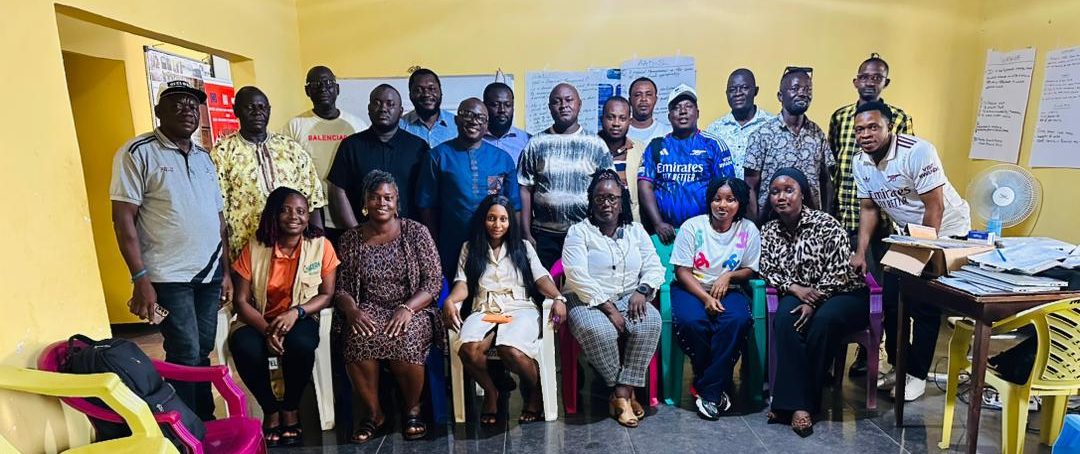
Last week marked an important milestone for the Yoti-Yoti Project consortium as partners concluded a four-day Capacity Support and Sharing Plan (CSSP) rollout in Magburaka, Tonkolili District.
From 1 to 4 September 2026, WASHNet joined CIDA-SL, KADDRO and AADSL, together with lead agency Concern Worldwide, for an intensive capacity-strengthening programme focused on the systems that underpin accountable and effective humanitarian and development delivery.
Hosted at the CIDA-SL office in Magburaka, Tonkolili District, the sessions focused on three critical areas: financial management, internal controls, and procurement processes and procedures.
For WASHNet, the CSSP rollout went beyond a routine training or compliance exercise. It provided an important opportunity to review how our internal systems can better support transparent financial management, responsible use of resources, stronger risk controls and greater accountability to communities, partners and donors.
Through practical sessions and peer learning, WASHNet staff strengthened their understanding of budget monitoring, risk mitigation, internal control mechanisms, procurement planning, tendering procedures, documentation and supply-chain accountability. These areas are particularly important as WASHNet continues to manage increasingly complex programmes and partnerships across Sierra Leone.
Turning Learning into Institutional Practice
The training may have ended in Magburaka, but the real measure of its value will be how effectively the lessons are translated into everyday organisational practice.
WASHNet is therefore taking deliberate steps to ensure that the knowledge gained is shared beyond the staff who participated directly in the CSSP rollout and contributes to sustained institutional improvement.

Aminata Bockarie
Procurement Officer, WASHNet
What stood out for me was how the sessions connected procurement procedures to accountability and programme quality. The training reinforced the importance of proper planning, clear documentation, fair competition and value for money at every stage of procurement. Going forward, we want to apply these lessons consistently so that our systems are not only compliant, but also trusted by our partners and the communities we serve.”
Our immediate priorities include:
- Cascading learning across the organisation: Programme, finance and operations staff will lead internal refresher and knowledge-sharing sessions so that relevant lessons reach field teams and other personnel involved in programme implementation and financial management.
- Strengthening internal systems and manuals: WASHNet will review relevant operational, financial and procurement procedures and integrate useful tools, checklists and tracking mechanisms emerging from the CSSP process.
- Improving procurement and supply-chain accountability: Additional attention will be given to procurement planning, documentation, asset and material tracking, value for money and traceability of supplies used in WASH interventions.
- Strengthening budget monitoring and internal controls: The organisation will continue improving mechanisms for expenditure tracking, authorisation, segregation of duties, supporting documentation and early identification of financial and operational risks.
- Embedding continuous organisational learning: Lessons from the CSSP process will contribute to WASHNet’s broader approach to institutional strengthening, ensuring that capacity development becomes an ongoing process rather than a one-off training activity.
Building a Shared Culture of Accountability
The CSSP initiative also demonstrates the value of collective learning among consortium partners. By strengthening and aligning systems across CIDA-SL, KADDRO, AADSL and WASHNet, the Yoti-Yoti Project is helping to build a stronger culture of accountability, transparency and responsible programme management.

Strong WASH programmes depend not only on infrastructure and community mobilisation, but also on the organisational systems behind them. Effective financial controls, transparent procurement, sound governance and capable staff are essential to ensuring that resources reach their intended purpose and interventions remain credible and sustainable.
Peter Senesie, Program Manager, WASHNet
Effective programme delivery depends on more than good activities. It requires strong systems, clear controls and consistent accountability across every level of implementation. The capacity strengthening sessions helped us reflect on how our financial, procurement and operational practices can better support programme quality. Our responsibility now is to embed these lessons into planning, implementation and monitoring so that we deliver stronger results for the communities we serve.”
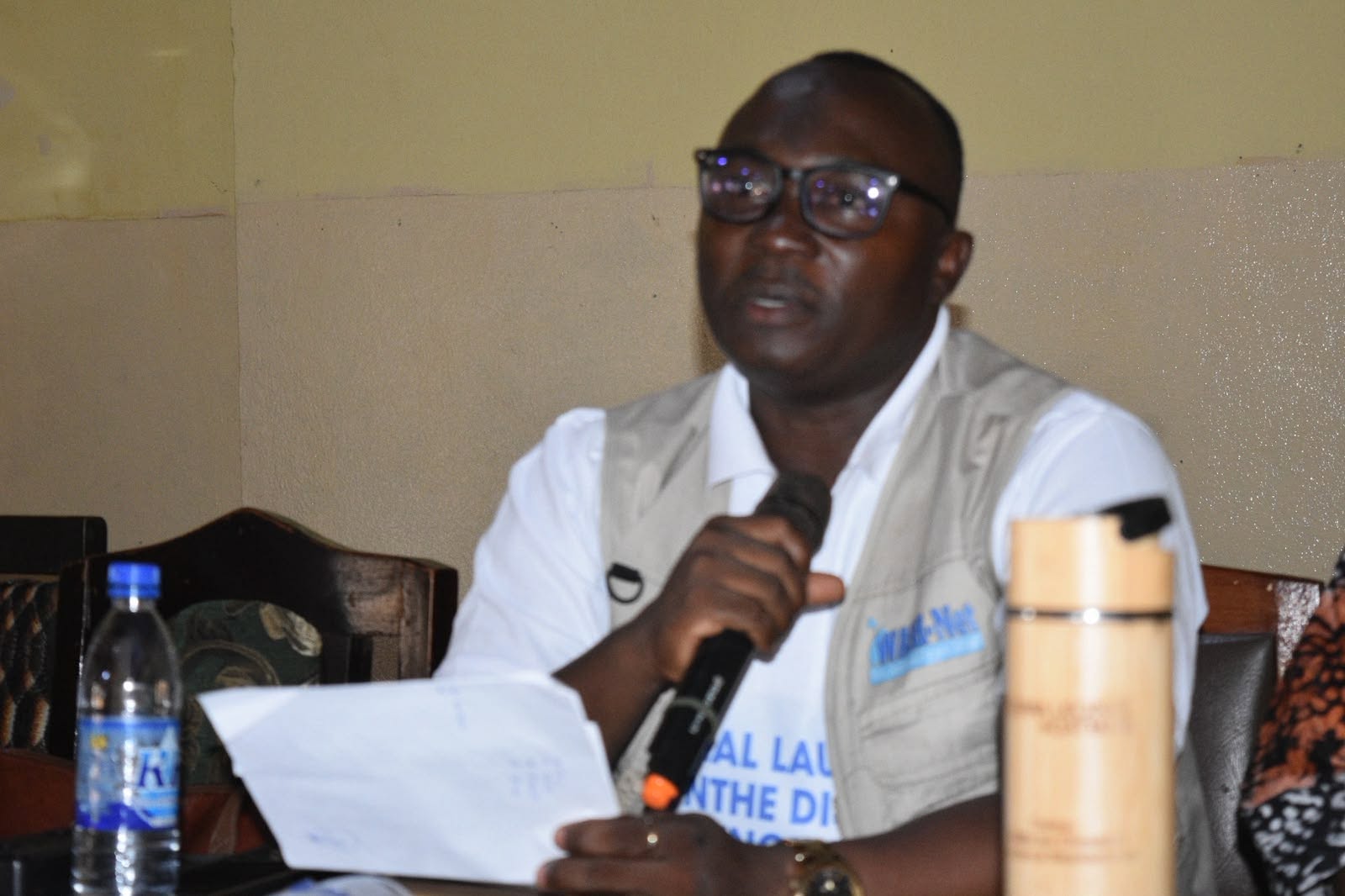
WASHNet appreciates the leadership and technical support provided by Concern Worldwide, as well as the investment of the project’s donors in strengthening the institutional capacity of national partners.
“Strong financial management is central to the credibility and sustainability of our programmes. The capacity strengthening sessions reinforced the importance of accurate reporting, effective internal controls, timely budget monitoring and clear accountability for every resource entrusted to us. At WASHNet, we are committed to applying these lessons consistently so that our financial systems continue to meet high standards of transparency, compliance and responsible stewardship.”
Ibrahim J. Jalloh, Finance Manager, WASHNet
For WASHNet, the commitment is clear: the lessons gained in Magburaka will be carried forward into our programmes, partnerships and internal systems across Sierra Leone.
The goal is not simply to complete a capacity-building exercise, but to translate training into stronger institutions, better accountability and more effective services for the communities we serve.
JGibril King, Field Officer, WASHNet
“As a Field Officer, I see how strong internal systems directly affect the quality of work we deliver in communities. The training helped reinforce the importance of proper documentation, accountability and following agreed procedures at every stage of implementation. Taking these lessons back to the field will help us work more consistently, manage resources responsibly and maintain the trust of the communities and partners we serve.”